Fence Installer Melbourne: Article Holes, Cement, and Architectural Stamina
A fencing looks easy from the path. A line of blog posts, some rails, a little bit of mesh or timber, and all of a sudden the boundary really feels defined. But on the ground, the real work is hidden a couple of spade-widths down. If the blog post openings are wrong, the fence won't stop working in a significant means in the beginning. It will lean a little after winter months, droop after a windy week, then start to rattle every single time a vehicle passes. That's the factor where people lastly call a fence installer Melbourne to "fix it," when the genuine solution was constantly regarding foundations.
If you've ever watched a great fence installers staff work, you can inform they're thinking about structural toughness long before they lift the first panel. Post openings, concrete options, and exactly how they set articles establish whether the fencing remains right for many years or comes to be a duplicating upkeep job.
Below is the practical fact of blog post openings and concrete in Melbourne conditions, plus the tiny decisions that make fencing installations hold up.
Why fencing strength begins at the post hole
Most secure fencing failures are not concerning the wood boards or the colorbond panels. They're about the support. A blog post opening is generally a dirt pocket wrapped around a structural member. When wind tons press the fencing laterally, the blog post stands up to by:
- resisting rotation (it can not twist out of the ground)
- resisting pull-out (it can not raise as the dirt relaxes)
- resisting bending (it has enough depth and embedment to keep the lots constant)
So if you consider the message hole as "where the fence lives," the cement part matters as well. Concrete is not a magic glue that makes weak soil strong. Concrete can help secure the blog post in place when set up correctly, yet if the opening is also shallow, if the spacing is off, or if the message isn't established plumb and supported throughout treatment, the fence will certainly still move.
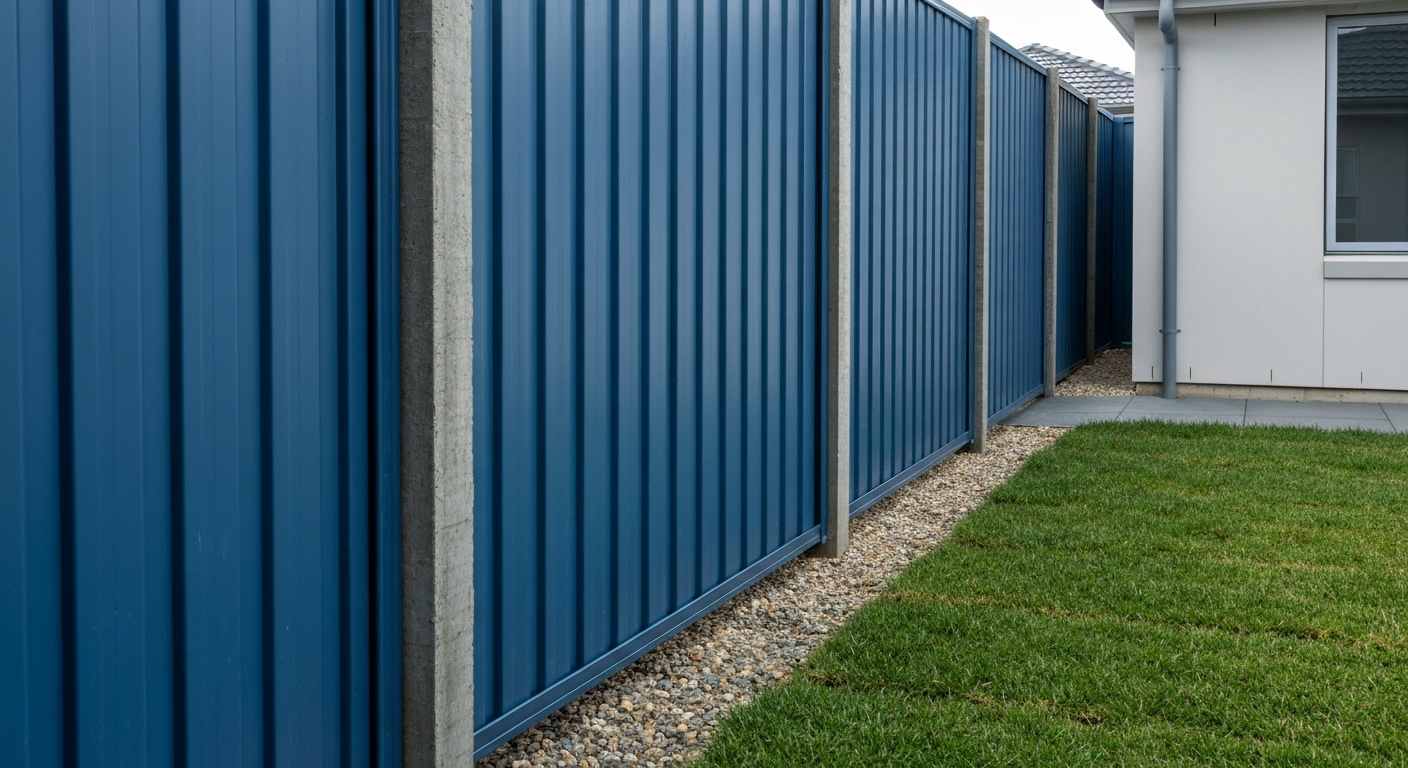
In Melbourne, the soil can differ block to obstruct. Some places have much heavier clay, some have sandier layers, and several homes rest on disrupted fill. That implies a fence installer Melbourne who turns up with a one-size approach will ultimately get attacked by a site that acts in different ways than expected.
Post opening deepness in Melbourne, and the judgment calls
Depth isn't simply a number. It's a balance in between necessary embedment, dirt kind, groundwater, and the functionalities of digging. In real installations, I've seen fences last because the installer went much deeper in weak ground even if it reduced the work. I have actually also seen fences fail because somebody hit "good enough" deepness in an area that looked fine during excavating yet loosened up when the opening sat overnight.
For property secure fencing, post depth is typically intended around maintaining the article listed below the zone where dirt disruption and motion are most active. In plain terms: you want the blog post secured in material that does not change much season to season.
Typical results you'll see with superficial openings are:
- posts that gradually lean as the soil settles around them
- panels that start to rack at the top line (the fencing resembles a soft hinge currently, not a rigid boundary)
- fence shadows moving after a damp run, since the ground lets go slightly, after that re-locks after drying
A fence installers Melbourne staff need to fit explaining why they're going deeper for sure sections, not simply quoting a deepness for whatever. The good ones take a look at what appears of the opening, just how the sides hold, whether water shows up, and whether the dirt collapses as you draw the blog post auger or shovel.
Diameter and spacing: tiny distinctions that include up
Bigger openings can imply more concrete and even more time, so it's tempting to go narrower. Yet also slim can develop inadequate compaction around the message. If cement or concrete is doing the bonding and stabilising, it requires a room to stream properly and border the embedded portion without voids.
Spacing between posts is additionally architectural. Closer post spacing lowers rail flexing and decreases the force at each blog post. Larger spacing makes the fencing lighter to construct, yet it increases the lots moved into each blog post. That's where you really feel the difference as flex, rattling, and at some point sagging.
If you're intending a fencing set up, it's worth being clear regarding what you're building: an attractive timber border is one point, a high wind exposure run dealing with a street is another, and a lengthy straight run requires different thinking than much shorter sections around trees or gates.
Cement versus no concrete: what changes in exactly how messages behave
This is where homeowners get stuck on the idea that cement is constantly better. In some cases it is. In some cases it's an obligation if it's used poorly.
When concrete helps
Cement or concrete around an article can:
- reduce dirt contact activity at the ingrained section
- lock the message in position while concrete cures
- improve security where the dirt hangs or disturbed
In Melbourne, cement is frequently utilized for limit fences, especially where you want a solid, set base or where messages are subject to duplicated side loads from entrances and longer spans.
When concrete does not fix the origin problem
If the message hole is superficial, concrete can still break or divide slightly from the post as the ground moves. If the opening was dug in wet, unsteady soil and afterwards delegated rest, cement might cure around a mix that later on settles unevenly. If the blog post is not supported throughout cure, the concrete can lock in an early lean, and that lean becomes the final alignment.
The structural lesson is simple: cement can enhance anchoring, yet it can not compensate for incorrect embedment deepness, wrong alignment, or poor opening prep.
The right way sealed blog posts are established (what matters beyond pouring)
Anyone can mix cement and pour it. Fence installers, the ones you desire around your home, treat setting articles as a controlled process.
A few things are non-negotiable in excellent method:
- the post is plumb before the concrete begins to set
- the hole is prepared to eliminate loose material so concrete can rest firmly
- the mix is placed and cleared up to minimize spaces, not simply disposed in
- curing time is appreciated so the post does not obtain relocated prior to the cement acquires strength
I've seen yard secure fencing where a person "put swiftly" throughout a lunch break. The fence looked right when the cement was fresh and damp, after that shifted after it treated. Cement embed in phases, and very early movement can develop a permanent misalignment. Once a fence runs out plumb, every panel and rail is forced to adjust, which develops added anxiety points.
A fast tale from the field
A pair years back, a homeowner informed me their fencing was "great when set up." The messages were cemented, so they presumed the task was strong. When we examined the base, the cement had actually been put, but the articles had actually been pushed during supporting modification later the same day. You could see it in the method rails pulled right into alignment, and the fencing had developed a spin along the run. It had not been a dramatic collapse, simply the sluggish, constant repercussion of a foundation that locked in the wrong geometry.
That's why structural toughness is as much about procedure as it has to do with materials.
Handling water, damp soil, and unpredictable ground
Melbourne rainfall can transform an excavation into a pool rapidly. If water is sitting in all-time low of the message hole, you have 2 problems:
- The cement mix can end up being diluted or separated
- Loose dirt can wash out, altering the reliable embedment and leaving voids
Good fence installer Melbourne teams normally prepare for this. They don't rely on heroics like "put faster" or "it'll be fine once it dries." Instead, they assess what's occurring. If water is relentless, they may change exactly how they establish the base, how they blend, or exactly how they make certain the opening problems remain appropriate.
In unsteady ground, the post may need a slightly different technique. In some cases you can boost the base through mindful backfill and proper compaction of the bordering product. In some cases you need a more robust anchoring technique. The factor is to react to the real dirt, not the plan made fence installers use of paper.
Timber, metal, and concrete posts: different stress and anxiety, different expectations
Different post products behave in different ways in the ground and under wind loading.
- Timber posts can be solid, but they depend on proper therapy and a secure embedment zone. Rot threat boosts if water is caught at the base or if the blog post beings in conditions that stay damp.
- Metal messages withstand degeneration, but they can experience deterioration at joints and revealed edges, specifically if concrete get in touch with catches dampness against surface areas not developed for it.
- Concrete articles provide tightness, however they still need a strong structure to avoid cracking because of soil movement.
If you're working with fence installers or a fencing installer, ask just how they intend to protect the message material touching concrete and wetness. A specialist will have the ability to clarify the functional information, not simply the basic principle.
Rails, panels, and just how post stamina is "checked out" at the fence line
Even though the blog post hole is the foundation, you can detect issues by just how the fence looks above ground.
Look for:
- top rails that aren't straight across numerous spans
- gaps that open unevenly after a damp season
- hinges on entrances that misalign, also if eviction itself is "new"
- panels that bend more than anticipated when you push by hand
Those symptoms aim pull back to the blog post embedment and the method the messages were taken care of. The fence line acts like a bar. If an article is relocating slightly, the effect shows quickly when rails start to take load.
A structural fence install is one that feels rigid also when you lean on it with some pressure. It will not seem like a trampoline, and it won't squeak with every gust.
A useful checklist before any type of concrete is poured
You can't stand in the hole with a spade permanently, however you can absolutely ask the best questions and enjoy what matters. Right here's a brief set of checks that maintain work truthful and regular:
- Are the message holes dug to the agreed depth and do the sides look stable as opposed to crumbling?
- Is the article plumbed and braced prior to any type of concrete or concrete is poured?
- Will the installer remove loose material from the hole bottom and verify what dirt is resting underneath?
- Is there an explanation of the concrete mix approach and just how they prevent voids around the post?
- Is the positioning inspected throughout the run before panels and rails are fixed?
If a fence installer Melbourne group can walk you with these points steadly, you're already in advance. If the discussion is obscure or rushed, that's normally the beginning of the "why is my fencing leaning?" story later.
Common post-hole and cement errors that bring about fencing failure
You do not need to end up being a concreting specialist to identify patterns. I have actually found out that many errors come under a little set of duplicating problems, even throughout various service providers and materials.
Pouring without correct setting control
If the blog post is moved while the cement is treating, the fence can secure incorrect alignment. Also a tiny lean at the bottom translates into a recognizable shift at the top of a taller fence.
Skipping compaction and developing voids
Void area around the article transforms the concrete right into a partial assistance rather than a complete anchoring zone. Voids also allow water collect and can add to freeze-like expansion cycles in certain climates, though Melbourne's key motorist is generally wet-dry activity and soil loan consolidation as opposed to freezing.
Using concrete like an alternative to depth
Cement does not change correct embedment. If the dirt is energetic and steps, the blog post needs to sit in steady ground. A concrete collar can assist, yet it doesn't quit side soil movement from slowly functioning the article unless the embedment is designed for it.
Ignoring website constraints
On obstructs where trenches, services, or tree roots are present, fence installer judgments matter. An installer who requires messages into inadequate positions can create weak support points. The best solution might be a shifted layout or a various anchoring method.
Structural strength at gates: where failures appear first
If there's one area where fences reveal their weak points, it's around entrances. Gates concentrate lots. When an entrance swings or gets pressed during wind occasions, it applies a lateral force and a twisting moment at its joints and lock side.
Gate messages generally require stronger anchoring and even more focus during setup. If the post opening is superficial or the cement base is endangered, gateways can start to sag and swing unevenly. Often people think the joints need adjusting, however the actual problem is the article moving at the foundation.
When you work with fence installers or a fencing installer, make sure they explain exactly how they take care of gateway places. Architectural toughness implies planning for higher loads, not treating gate posts like every other post.
What to do if your existing fence articles are already cemented
If you're managing an older fence that's leaning, the lure is to "add concrete" around the base. In some cases a repair work can work, however often the underlying dirt motion is ongoing. Concrete poured onto a currently jeopardized base may not deal with the trouble, and it can make future repair work messier.
In Melbourne, you'll see a few situations:
- The blog post is loose since the original opening was too superficial or backfilled loosely.
- The blog post is established, but the soil around it has actually worked out unevenly.
- The blog post is still solid, yet the rails or panels have loosened up, allowing movement that makes the fencing keep an eye out of line.
A specialist fence installer will certainly analyze whether the movement is structural at the message, geometric across the run, or hardware-related. Repairing the incorrect layer can throw away cash and still leave you with a fence that remains to drift.
Here's a short troubleshooting technique service providers make use of on website:
- Check whether the article can be shaken by hand at the base or mid height.
- Inspect the base location for fracturing, spaces, or indicators of water pooling.
- Look for rail sag and bolt looseness that could be creating noticeable lean.
- Compare positioning throughout multiple panels to see if the run is twisting or just one post is off.
- Decide whether the repair is support, re-setting, or full re-anchoring based upon soil condition.
How wind and fencing layout influence article foundations
A fencing isn't just "there." Wind makes it function. Melbourne can have strong gust days, and long straight fencings act like sails. The architectural load on blog posts depends upon:
- fence elevation and panel type
- how much the panels obstruct wind
- whether the fence is in a revealed position
- the existence of close-by structures and plant life that transform airflow
For instance, strong panels produce more pressure than open mesh. That doesn't indicate one type is constantly "even worse," it indicates the anchoring approach should match the loading.
A fencing installer Melbourne should represent design tons instead of presuming every fence coincides. If somebody treats a high, strong limit along a main road similarly as a reduced side fence put behind bushes, you're gambling with the blog post opening design.
Getting concrete right: mix, positioning, and curing time
People frequently ask, "What cement should I use?" The truthful answer is that the ideal mix depends upon the job problems and the product needs. I will not claim there's one generally perfect mix for every single fence base due to the fact that website conditions vary.
What you can judge, also without recognizing the chemistry, is whether the professional is certain regarding positioning and curing.
Good method resembles:
- consistent material handling, not sketchy re-mixing mid job
- no frantic pressing of messages after the concrete begins to set
- careful interest to making sure concrete calls the article and fills up the area around it
Curing is where perseverance pays off. If a fence installer tries to drive on immediately after pouring, you might not see the damages up until weeks later on. Concrete needs time to obtain stamina, and the blog post placement requires time to resolve without disturbance.
Fence installer experience: the distinction in between "set up" and "constructed to last"
There's a stage between excavating and standing back to admire the completed line. It's the phase where excellent fence installers make their fee.
It's in the quiet check of plumb, the choice to add depth in a weak area, the method the installer dental braces and doesn't rush panels to conceal a leaning article. It's also in interaction. The most effective specialists clarify choices in ordinary language, like why a specific section needs more focus, or what they discovered in the soil when they dug that particular hole.
When you hear fence installer Melbourne or fencing installer phrases sprayed online, don't just focus on the service name. Focus on what the business does on website. The structural strength is constructed in those choices, not on a quote form.
Practical concerns to ask your fence installer Melbourne
If you intend to maintain the job grounded and avoid surprises, ask questions that compel specifics.
What deepness are you utilizing for every blog post type, and will it change based on dirt? How are you supporting the posts, and how long do you wait before eliminating braces and mounting rails? Are you using concrete for each article or only for certain ones like entrances? What do you do if water appears in the red? These questions could seem fundamental, however they reveal whether the installer is thinking structurally or just moving via the motions.
Fence setups fail when corners get reduced in methods people can not conveniently see until the fence has actually currently been under load.
Final thoughts on concrete article openings and long-lasting fencing stability
If you're spending for a fencing installer, you're spending for greater than materials and work. You're spending for appropriate anchoring, right placement, and the self-control to establish messages effectively in Melbourne soil conditions.
The foundation is everything. Article openings determine the anchor. Concrete affects how the anchor behaves and how stable it remains while the ground clears up and periods cycle. Bed rails and panels are the aesthetic framework, but posts and their embedment are what keep the fence straight when wind, rain, and time do their work.
If you're contrasting fence installer choices, do not simply contrast rate per meter. Compare just how they discuss holes, just how they reply to website conditions, and whether they deal with gates and revealed runs as unique structural zones. That's where you locate the contractors who build fencings that hold their line rather than ending up being a duplicating repair work story.