Aluminum Fence Setup in Melbourne: Ideal Practices
A light weight aluminum fencing is among those upgrades that looks sharp the day it's mounted and maintains looking great years later on. In Melbourne, that issues. Our climate can be a consistent mix of sun, rainfall, wind, and the strange stretch of salted air if you are more detailed to the coast. Aluminum tends to handle that mix much better than many other products, especially when it's installed with the appropriate attention to framing, footing, and drainage.
I've installed and managed enough fencing jobs to understand the reality: the ended up fencing rarely stops working since the aluminum itself is "negative". It stops working due to the fact that a few small decisions were rushed, determined once as opposed to twice, or dealt with as optional when they're not.
Below are the very best techniques I use for light weight aluminum fencing installation in Melbourne, from planning and ground problems to post spacing, supporting, and the little finishing actions that quit issues prior to they start.
Why aluminum functions well in Melbourne
Aluminum's allure is simple. It is light sufficient to manage without turning the task into a fumbling match, however solid enough for regular property fence. With correct coatings and proper hardware, it is likewise resistant to deterioration, which is a big bargain when Melbourne's winter damp turns every little thing into mud and dampness sits in the ground longer than individuals expect.
That said, light weight aluminum is not "set and neglect". A fencing is a system: blog posts, rails, infill, mendings, and the method the blog posts are sustained in the ground. If you get the grounding and placement wrong, also a good fencing will bend, rack, or lean over time.
Start with the format, not the posts
Most fencing headaches map back to planning. Before any type of excavating, you desire a format that values the block, the border line regulations that use in your location, and the real obstacles on site.
In Melbourne, the challenging part is seldom the fencing itself. It's every little thing around it: existing landscaping, driveway sides, stormwater run-off, below ground services, and irregular ground that turns a "straight run" into a refined staircase. A tidy setup starts with a line on the ground you can really build from, not just a drawing.
When I plan an aluminum fence run, I do 3 points early:
First, I walk the line while taking a look at it from numerous angles. A fencing that looks directly from the yard can appear out of line from the road once the elevation and point of view modification. Second, I confirm where the ends will land, because edges need actual anchoring. Third, I check slopes and any low places that gather water. Those areas decide your message deepness and whether you need changes to rail heights.
If you are making use of Fence companies Melbourne for the task, ask just how they manage site conditions Melbourne fence contractors like slopes. An excellent company will speak about stepping rails or changing blog post sizes rather than compeling a one-size-fits-all height.
Melbourne dirt and drainage: the unglamorous difference-maker
The ground under your fencing is where most longevity is won or shed. Soil key in Melbourne can swing from firm clay pockets to loosened sandy spots, and also within the exact same yard you can obtain variant. That matters since the message requires stable support around it, not just an opening full of concrete and hope.
A common error I see is over-relying on the concrete pour while overlooking drainage. If water can sit around the message base, you can get dirt movement with time, which leads to voids, leaning, and tension on rails. With light weight aluminum, the rails and infill may still look penalty, but the structure behind them gradually shifts.
On sloped ground, you additionally want to prevent attempting to "cheat" by reducing articles to maintain rails degree. It seems cool theoretically, however uneven blog post embedment can create a fence that feels limited throughout installment and then loosens when the dirt works out around the bases.
A far better technique is generally either:
- keeping post embedment constant while stepping the fencing panels to match the incline, or
- designing the railway so the fencing follows the terrain without putting the messages under uneven leverage.
The exact technique depends on your product system and your website, yet the principle is the same. Stable messages, steady geometry, controlled water.
Footings and article deepness: where "good enough" comes to be expensive
For aluminum fences, blog posts are the structural backbone. Their embedment depth and alignment establish just how the fencing behaves in wind and after rainfall. In Melbourne, wind instructions changes seasonally, and tornados can put laterally load right into fences, specifically where there is open frontage or tall greenery that networks airflow.
I normally treat blog post positioning as non-negotiable. You want:
- correct spacing for your details fence system,
- posts plumb and braced during healing so positioning does not wander,
- and concrete that fully surrounds the post base without leaving voids.
It's tempting to accelerate by establishing blog posts and pouring quickly. The problem is that blog posts can change while the concrete works out, specifically when you're operating in wet dirt. If the message is out of plumb by also a small amount at the beginning, the fence will certainly pull itself crooked as rails go on.
Also, consider the wind lots on taller fences or fences with slim pickets. Light weight aluminum can be crafted for strength, however the setup still needs to maintain the blog post line rigid, specifically at edges and entrance openings. Gates are where pressures concentrate, so edges and joints are entitled to additional discipline.
Measuring and alignment: the ability most people underestimate
If you desire a fence that looks expert, you need alignment you can rely on before the initial section is bolted.
Here's what "great measuring" indicates in practice:
You job from known factors, you maintain inspecting as you go, and you treat corners and entrance openings like the supports of the entire system. A straight run is simple to attract, yet every dimension is affected by ground incline, existing fences, and border offsets.
One thing I have actually discovered by hand: rail levels and panel spacing can look correct during dry setup, then move slightly once the following blog post is set. It is not always a large error, however it stacks. By the time you get to the far end, the fence starts to "roam" visually.
To prevent that, I constantly such as to confirm:
- the string line or laser line before digging,
- the article spacing at numerous factors along the run,
- and the rail alignment after the very first few messages are installed, not after the entire run is complete.
If you have actually ever before seen a fence where each section looks mostly appropriate but the overall line looks off, that's usually why.
Bracing, wind, and the "first two bays" rule
Aluminum fencings are lighter than steel, which's partially why they're preferred. Yet lighter ways they respond quickly to placement errors and they can bend under short-term problems throughout installation.
A useful regulation I utilize is to be particularly mindful for the very first two "bays" of any run. When you install a secure placement early, the remainder of the work flows. If the initial section is out of line, the mistakes often tend to multiply as you include rails and infill.
Bracing issues too. Even a well prepared layout can shift if you remove short-lived assistances too early. Damp concrete can move slightly as it cures, and soil can compress around blog post holes. Let the blog posts settle as the product system and installment method call for. If the installer is rushing this step, you will see it later as imbalance or rail stress and anxiety points.
Rails, fittings, and equipment choices that influence longevity
The light weight aluminum fence appearance is primarily concerning the rails and the infill pattern, but the long-term performance comes from the hardware details.
A couple of ideal techniques I suggest:
Make sure the ports match the fencing system. It sounds apparent, but dissimilar equipment can create poor fit-up. When parts do not rest appropriately, installers sometimes "pressure" them, and compelled connections are where stress cracks and lasting looseness begin.
Pay focus to attachment. Over-tightening can remove strings or flaw components. Under-tightening can permit movement. The right approach depends upon the port style, but the principle coincides: safeguard without abuse.
If your fence consists of powder-coated elements, keep an eye on damages during installment. Scratches occur, particularly when panels are carried in awkward positions or when gateways are mounted on rough ground. Small cosmetic marks may be inescapable, yet deep damages that reveals bare material is what you want to avoid.
Gates and corners: the parts that take real force
An entrance is not "just an additional section". It is a bar. Every single time a person opens it, loads shift through the joints into the posts and into the framing.
For aluminum fencing setups in Melbourne, entrance areas are worthy of the very same treatment as architectural framework. That means:
- reinforce where the hinge posts will certainly go,
- ensure posts are set with high precision and continue to be plumb during healing,
- and confirm there suffices clearance so the gate swings without binding on the frame.
Corners are similar. fencing company Melbourne A corner is where direction adjustments, and that produces lateral tons. If edges are under-embedded or set with inconsistent alignment, the fence has a tendency to rack, and after that you obtain imbalance that seems like it "slips" over time.
If a business is certain, they must be able to clarify how their system handles gate pressures and corner security. If they hand-wave it, that's a red flag.
Dealing with inclines: stepping, stepping up, and aesthetic payoff
Melbourne yards commonly have refined inclines, also when they do not look remarkable. The fencing line can stumble upon a quality, and if you attempt to force a consistent leading rail height with fixed-length posts, you wind up with irregular embedment or an aesthetically odd step at the panel joints.
Stepping the fence is generally the cleanest choice. The key is doing it regularly so the rhythm of the pickets or infill stays even from bay to bay. If you have numerous slopes, you could need a scheduled change so the fencing does not look like it was changed on the fly.
When I've seen fencings that look "shaky", it is commonly not the fence itself. It's the means shifts were managed at various slope zones, with rail heights adjusted inconsistently.
A professional installer will certainly ask questions regarding how you want it to look. Some house owners choose a more conventional stepped look, others want closer adherence to quality with panel alignment. There is no global right answer, however there is an ideal means to perform your selected look.
A practical pre-install checklist for your site
Before the installer gets here with products, you can protect against a surprising number of problems by obtaining the fundamentals right. Right here's the sort of list I recommend to property owners, since it reduces hold-ups and shields your landscaping.
- Confirm border settings and any type of nearby structures that could impact the line.
- Identify lawn sprinkler lines, drainage paths, and any type of solutions you recognize exist.
- Mark obstacles like garden beds, rocks, old timber stumps, or large roots.
- Plan where gate openings ought to land so they match your designated walkway path.
- Decide what surface degree you desire at the ground, particularly near paving or driveways.
If you're not sure concerning solutions, ask the installer what they do to stay clear of damages. The much safer strategy is to find solutions prior to excavation where required.
How to choose the best fence business in Melbourne
Choosing a service provider is not almost the cheapest quote. Light weight aluminum fencing is a workmanship work. Two companies can install the same fencing version and you will still see distinctions abreast, blog post setting top quality, and just how clean the completing is around the ground line.
When you talk with Fence companies Melbourne, inquire about their process, not just their item. You wish to know how they handle dimensions, inclines, edge reinforcement, and blog post curing time.
Here are 5 inquiries that normally divide "quotes" from actual installment ability:
- How do you established and brace blog posts for placement, particularly on slopes?
- What is your technique for entrance blog posts and how do you ensure they stay plumb during curing?
- Do you step rails or panels, and exactly how do you determine the shift points?
- What hardware connectors do you make use of, and are they matched to the fencing system?
- How do you safeguard the coating during setup and repair any damage?
A strong firm will certainly answer clearly and without defensiveness. They may also ask you inquiries, which is a good indicator. It suggests they are considering the website as opposed to just pushing a typical workflow.
Common installation mistakes I've seen (and exactly how to identify them)
You don't need to be an engineer to find when an installation is dropping off track. The indicators are usually visible within the very first day or two.
Here are the blunders that show up continuously:
One is hurrying positioning. If you see messages being set without a regular string line or aesthetic checks from numerous angles, anticipate the fencing to "stroll" as it builds.
Another is irregular blog post embedment or careless opening preparation. If holes are too little, filled as well quickly, or the article base is not appropriately surrounded, you are trading rate for security. With time, those bases can move, specifically after hefty rain.
A third is inadequate administration of water near the base. If the fence line is placed in a low location without resolving runoff, you can end up with duplicated soil saturation. That can cause disintegration around the post bases and a steady decrease in fence straightness.
And then there is the unseen error: forcing components to fit. If panels or rails are not aligning naturally and the installer is forcing bolts, it could hold for a couple of seasons, yet tension develops. Light weight aluminum and finishes can only endure so much misfit prior to something gives.
If you are monitoring the task, request for little checks. For example, a straight run should have a consistent aesthetic line when you look throughout it from a range. If you can see a drift early, it is much easier to remedy while panels are still going on than after every little thing is finished.
Timing, treating, and seasonal facts in Melbourne
The climate influences setup, not because aluminum amazingly reacts to rainfall, yet due to the fact that dirt and concrete habits changes. In Melbourne, you can have awesome damp days where the ground remains saturated, which adjustments exactly how cleanly openings hold their shape and how steady posts are before concrete sets.
A professional installer represent this by taking care of healing time and being practical about when they can continue job. If the timetable is tight, it deserves asking how they shield alignment and the length of time they wait before attaching rails and infill after post installation.
You do not require to know the chemistry information, but you need to recognize the process: blog posts require to remain dealt with while the concrete sets and the soil resolves around it. If the installer is scooting without waiting for stability, the completed fencing can look right at first and then shift after the next rainfall.
Finishing touches: the stuff that makes it look "done"
A fencing can be structurally solid and still look amateur if the completing is rough. In light weight aluminum installments, completing is commonly where the treatment shows.
Look for:
- consistent height across the fence line,
- clean signs up with at corners,
- tidy entrance positioning,
- and a ground line coating that does not leave ugly spaces or irregular edges.
If the fencing fulfills paving or driveway surface areas, ask how they manage the joint. Water can leave the base of the fencing, so the interface issues. Also a neat-looking gap can come to be a drainage issue if it permits water to pool or undermine dirt nearby.
Finishing additionally includes how the installer tidies up. A correct task leaves your backyard undamaged. Offcuts, screws, and minor particles can obtain stepped on, and small mistakes in clean-up are often an indication of exactly how extensively the installer inspected the job prior to leaving.
Maintenance expectations: keep it straightforward, maintain it consistent
Aluminum is long lasting, but maintenance still helps it remain sharp. Melbourne weather can layer fences with dust and crud, and if you live near the coastline, salt residue can gather. The good news is that aluminum maintenance is usually straightforward.
The best maintenance regimens I advise are light and regular. Wash the fencing when it begins looking dull, check that bolts stay safe and secure after the very first few periods, and examine corners and gate joints for any type of indications of tension or rubbing.
If you ever discover a section beginning to lean, address it early. A small concern at an article base can intensify, and capturing it swiftly is normally less expensive than waiting.
Costs and value: what "best methods" normally protect
People frequently ask about expense, and they are right to. Yet price is complicated. The best-practice installment does not constantly mean the cheapest quote, since it takes some time to measure correctly, established posts meticulously, brace and straighten, and utilize the right hardware.
What you are spending for is control. Excellent setup techniques minimize the risk of:
- realignment headaches,
- gate issues,
- and very early leaning as a result of unpredictable article bases or poor drainage.
If you desire worth, request clarity. A quote ought to mirror what is included, such as site preparation, article setup method, and exactly how slopes and edges are taken care of. If a quote is vague, you could obtain a fence that looks penalty during installation but sets you back more later.
Getting the best outcome: a quick way to consider it
Aluminum fencings are worth it when you treat the set up like a system. The metal matters, yet the job is primarily about geometry and security: straight lines, secure posts, managed water drainage, and careful gate and corner work.
When property owners get fantastic outcomes, it's usually due to the fact that they picked a professional that works systematically, not one who simply completes jobs quickly. If you can, visit or ask to see examples of similar work, especially ones on sloped blocks or with gates. That's where real craftsmanship shows.
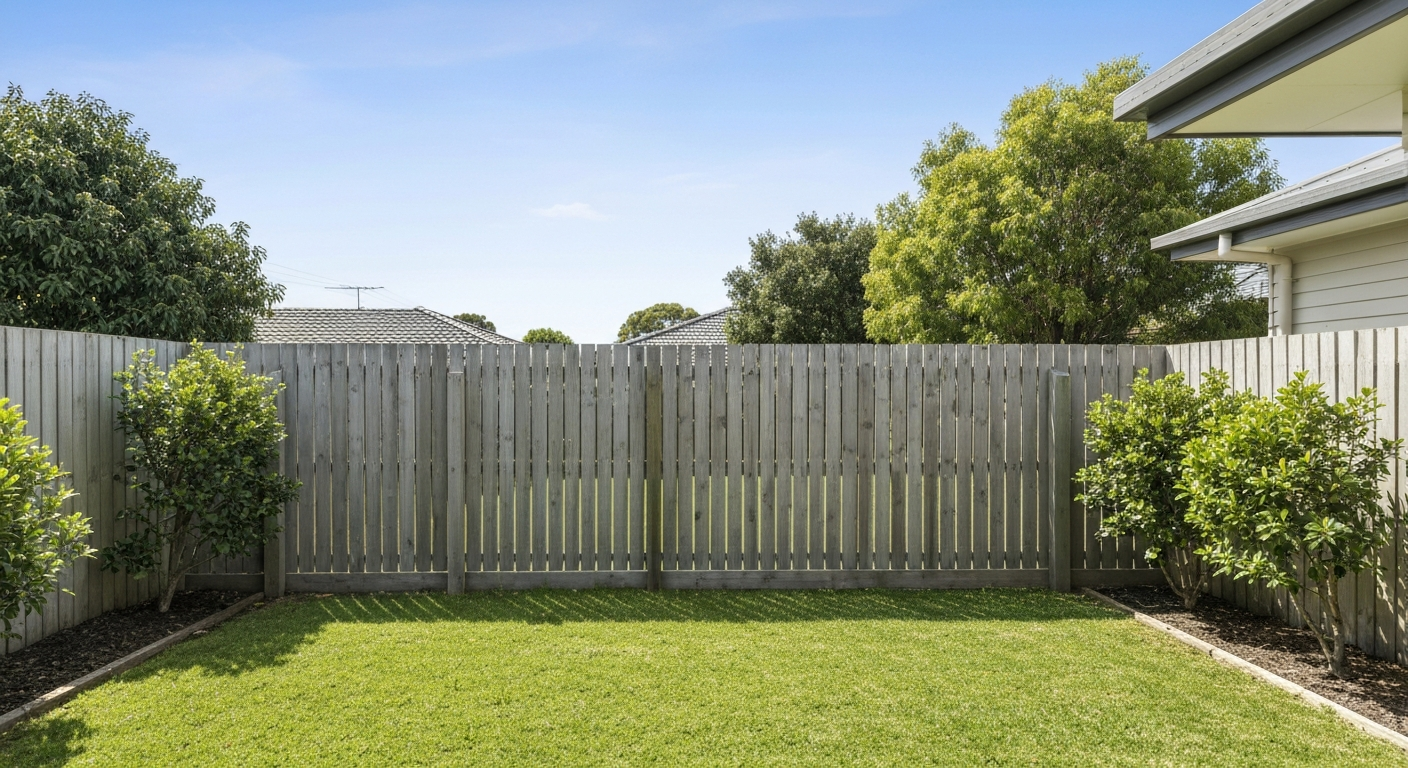
If you are planning an aluminum fence setup in Melbourne and you desire it to remain right, clean, and functional for many years, concentrate on these best techniques: thorough format preparation, correct blog post setting, disciplined alignment, and completing information that maintain water from coming to be a lasting problem.
That combination is what separates a fence you appreciate today from a fencing you keep forgeting because it simply keeps doing its job.